
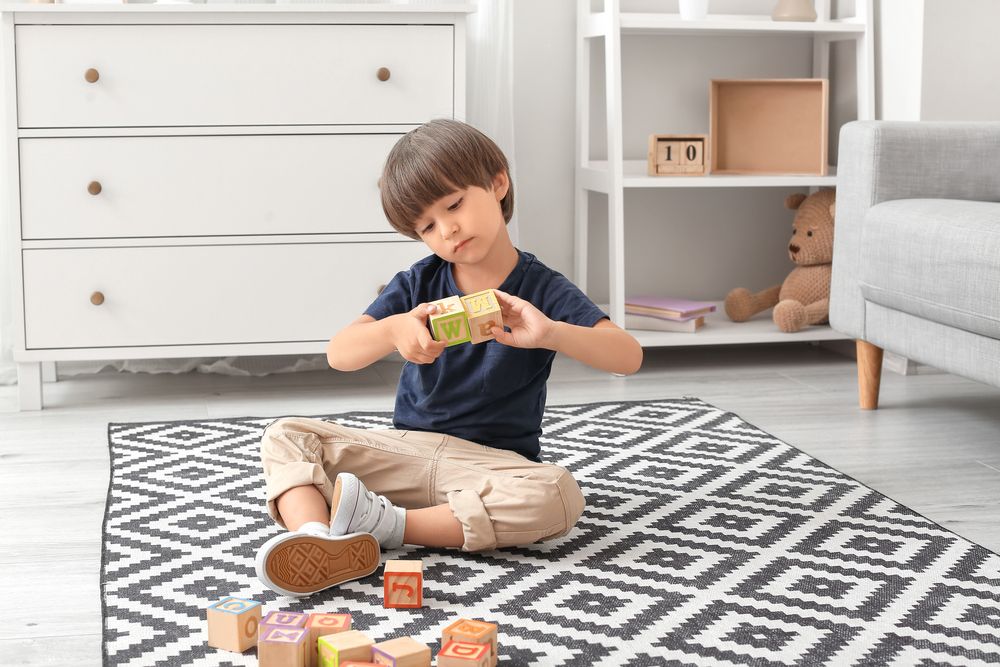
Autism, also known as autism spectrum disorder (ASD), is a neurodevelopmental condition that influences how a person communicates, interacts socially, and experiences the world. Autism is a spectrum, meaning it appears differently in each person. It is not a disease and does not need to be “fixed.” It simply represents a different way of thinking, learning, and processing information.
Common Signs of Autism
Autism typically involves differences in:
- Social communication – Difficulty understanding social cues, making eye contact, or engaging in back-and-forth conversations
- Repetitive behaviors or routines – Strong preference for routines, repetitive movements, or intense interests
- Sensory processing – Being very sensitive (or less sensitive) to sounds, lights, textures, or other sensory input
Symptoms can range from mild to more significant and may change over time.
Autism in Children
Children with autism may:
- Have delayed speech or use language differently
- Prefer playing alone or have difficulty with peer interactions
- Become very upset with changes in routine
- Focus deeply on specific topics or interests
- Show strong reactions to sounds, textures, or transitions
Early identification and support can help children build communication, social, and coping skills.
Autism in Teens and Adults
In adolescents and adults, autism may appear as:
- Difficulty navigating social situations
- Feeling overwhelmed in busy or noisy environments
- Strong need for routine and predictability
- Deep focus on specific interests
- Challenges with flexibility or transitions
Many autistic individuals also have significant strengths, including creativity, attention to detail, honesty, and deep knowledge in areas of interest.
How Support Helps
Support for autism focuses on building skills, increasing independence, and reducing stress. This may include therapy, social skills training, psychoeducation, parent support, school collaboration, and when appropriate, treatment for co-occurring concerns such as anxiety or ADHD.
With understanding, structure, and individualized support, individuals with autism can thrive at home, in school, and in the community.